

Find the Right Crossbow Scope for Your Hunt
When it comes to accuracy and confidence in the field, using the best crossbow scopes can transform your setup. Whether you’re upgrading from a basic bundled optic or dialing in a purpose-built rig for deer, hogs, or turkeys, the right scope gives you a clear sight picture and aiming references you can verify.
The most useful upgrade depends on the way you hunt. Integrated rangefinding can simplify distance measurement. An illuminated reticle can remain visible against a dark background. A compact conventional scope keeps the setup straightforward, while reflex and thermal sights serve more specialized needs.


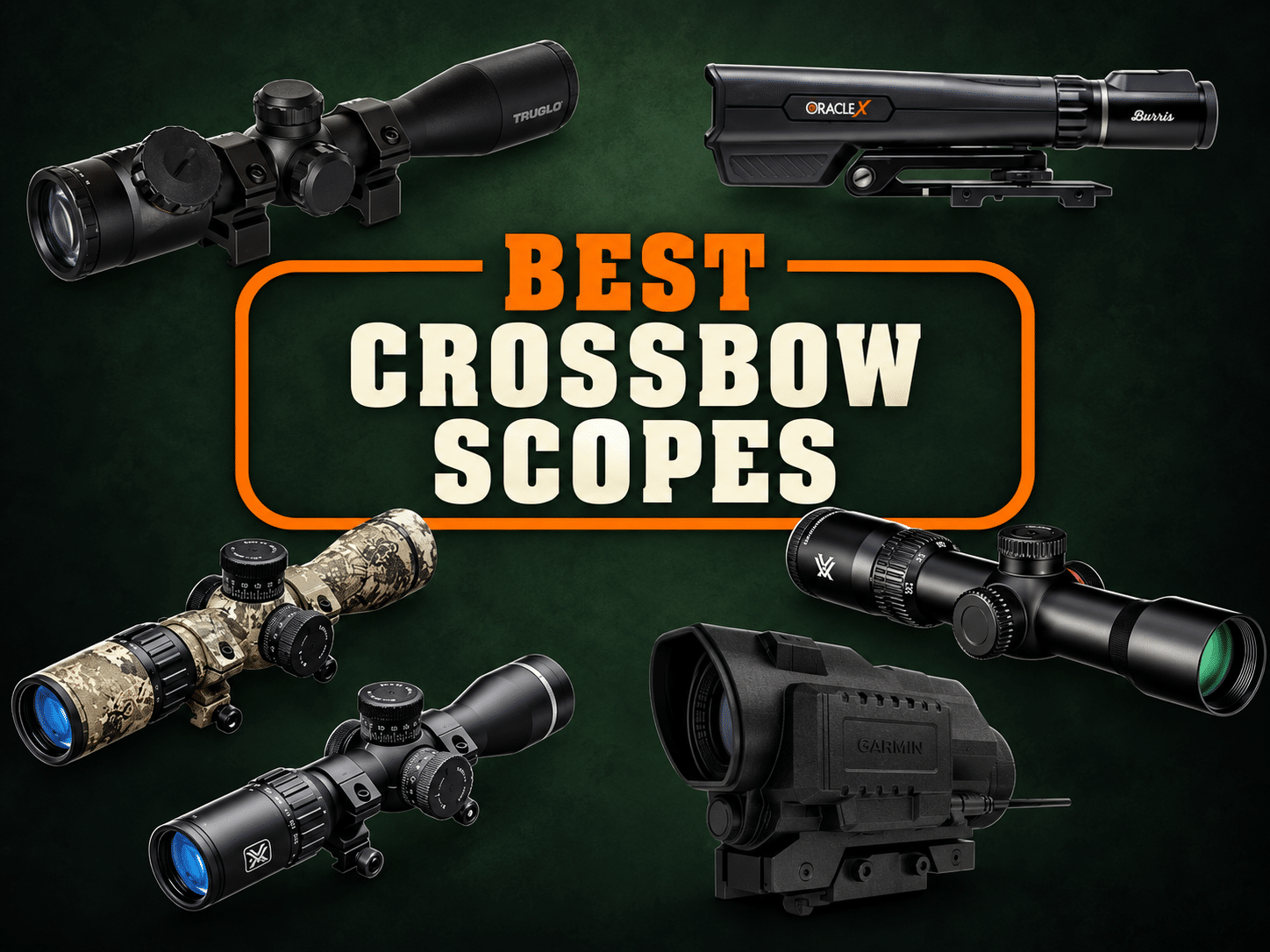
Our Picks at a Glance
Crossbow Scope Buying Guide
Product Breakdowns: Pros, Cons, and Field Notes
BEST RANGEFINDING CROSSBOW SCOPE
Burris Oracle X
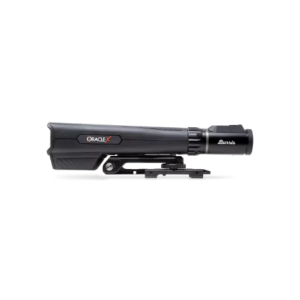

A wireless remote makes activation convenient. Position it where you can operate it without disrupting your shooting position. Burris backs the optic with its Forever Warranty. Listed weight is approximately 1.9 pounds.
For more information, see Crossbow Magazine senior writer Brad Fenson’s Oracle X Review.
Pros
- Integrated ranging eliminates the need to handle a separate rangefinder.
- Calculates an illuminated aiming point using calibrated trajectory information.
- Wireless remote supports convenient operation.
- Burris Forever Warranty.
- Useful when shot opportunities occur at varying distances.
Cons
- Approximately 1.9 pounds of added optic weight.
- Costs more than a conventional scope.
- Requires initial calibration and trajectory verification.
- Battery dependence.
Field Note: The Oracle X makes the most sense when animals appear at unpredictable distances. Once calibrated to your hunting arrow, ranging and selecting a hold become one operation. On a compact crossbow, the extra mass above the rail remains a meaningful tradeoff.
BEST RANGEFINDING CROSSBOW SCOPE FOR THE MONEY
BUK Ops X-Factor
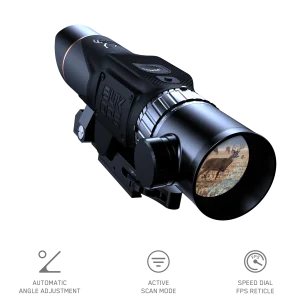
It does not calculate the complete aiming solution provided by more sophisticated electronic optics. You still need to know your crossbow’s trajectory and choose the correct hold after ranging.
That places it between a conventional optic and a computerized rangefinding system: more convenient than handling two devices, with less automation than an Oracle X or Xero X1i.
Pros
- Integrated range information.
- Reduces the need to handle a separate rangefinder.
- Illuminated reticle helps against dark backgrounds.
- Provides distance information for selecting a hold.
Cons
- Does not automatically calculate the final aiming point.
- The hunter must translate distance into the correct reticle hold.
- Costs more than a basic conventional optic.
- Adds electronics and battery requirements.
Field Note: Think of the X-Factor as the middle ground between a standard crossbow scope and a fully computerized optic. It removes the separate-ranging step, but your verified trajectory knowledge remains essential.
Magnification and BDC Reticle
TenPoint EVO-X Marksman Elite
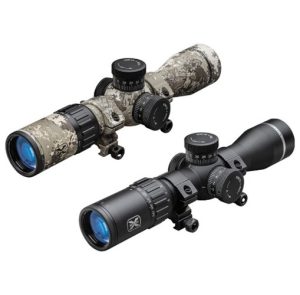

Its reticle includes distance references from 20 to 100 yards, with speed calibration for approximately 300–500 FPS. Use your actual hunting-arrow setup when calibrating, then verify the references at known distances. Micro-adjustable turrets support sight-in.
Pros
- 2–8x magnification range.
- Calibration for approximately 300–500 FPS.
- Multiple distance references.
- Red and green illumination.
- Micro-adjustable turrets.
Cons
- More magnification than many close-range hunts require.
- Higher magnification narrows field of view.
- More visual information than a simpler reticle.
- Every distance reference requires verification.
Field Note: Its useful range of features suits hunting and target practice. Follow the calibration procedure before changing the power setting; magnification and trajectory calibration can be linked. Confirm the holds with your hunting arrow and broadhead.
BEST HUNTING CROSSBOW SCOPE FOR THE MONEY
Vortex Crossfire II Crossbow Scope
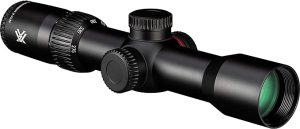

The XBR-2 uses a 40-yard zero and additional aiming references. Calibrate those references to your arrow trajectory rather than assuming they match automatically. Listed weight is approximately 14 ounces, and flip caps are included.
Pros
- Conventional hunting simplicity.
- Approximately 14-ounce listed weight.
- 2–7x magnification.
- Multiple XBR-2 aiming references.
- Red and green illumination.
- Vortex warranty coverage.
Cons
- No integrated rangefinder.
- Reticle references require calibration and range verification.
- Check suitability for unusually fast arrow combinations.
- Maximum magnification is unnecessary for many close encounters.
Field Note: This is a practical starting point for many crossbow hunters. It supplies magnification and illuminated references without a computerized aiming system. Follow the calibration instructions before treating the magnification ring as an independent zoom control.
First-Focal-Plane Pick
Hawke XB30 Zoom FFP 2–8×36
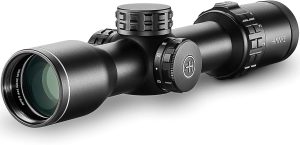

Fully multi-coated lenses, an illuminated center reticle, and a 36mm objective complete the package. Versions cover different speed classes: 385–420 FPS, 425–465 FPS, and 470–510 FPS. Choose based on your actual hunting-arrow velocity.
The 30mm aluminum monotube is designed for hunting conditions. Read our complete Hawke XB30 Zoom FFP crossbow scope review for testing results and specifications.
Pros
- First-focal-plane references remain proportional through the zoom range.
- Different speed versions.
- 2–8x magnification.
- 36mm objective and fully multi-coated lenses.
- Illuminated center reticle.
- 30mm monotube construction.
Cons
- Requires choosing the correct speed version.
- Actual arrow speed may differ from advertised crossbow speed.
- More expensive than many basic hunting optics.
- Extra features may be unnecessary for a simple close-range setup.
Field Note: Do not buy solely from the FPS printed on the crossbow. Chronograph your hunting arrow if possible. Arrow weight and broadhead choice can change velocity enough to affect the best model match.
best budget crossbow scope / compact
TruGlo 4×32 Compact Crossbow Scope
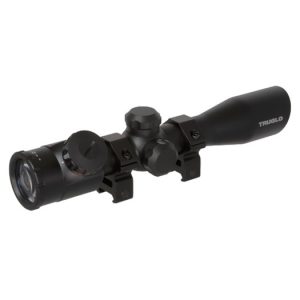
Check the exact product configuration, reticle, and included rings before ordering. Verify its references against your hunting-arrow trajectory.
Pros
- Budget-oriented price.
- Simple fixed 4x magnification.
- Multiple aiming references.
- Straightforward operation.
Cons
- No magnification adjustment.
- No integrated ranging.
- References may not fit unusual arrow trajectories.
- Basic features compared with premium optics.
Field Note: A fixed-power scope keeps the upgrade uncomplicated. Establish the distance represented by each reticle reference with your own arrows rather than assuming the printed distances apply automatically.
best red dot crossbow scope
Ravin R161 3-Dot Reflex Sight
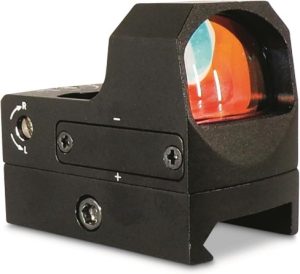

Its compact format suits hunters who prefer a reflex sight. Establish the actual distance represented by each dot using your complete hunting-arrow setup.
Pros
- Unmagnified view supports quick acquisition.
- Both-eyes-open aiming.
- Three distance references.
- Compact format and broad sight picture.
Cons
- No magnification.
- Less visual detail at distance.
- Dot spacing needs trajectory verification.
- Less suitable for hunters who prefer a magnified view.
Field Note: This sight fits a close-cover setup. Its broad picture helps you find an animal in the sight, but it cannot provide the target detail of a magnified optic.
best thermal crossbow scope
Sightmark Wraith Mini Thermal
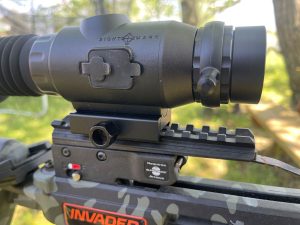

Recording features let you capture activity through the optic. Confirm that the selected listing is the thermal version; other Wraith products use different imaging technology.
Pros
- Heat-based viewing in darkness.
- 384×288 thermal sensor.
- Multiple palettes and reticles.
- Recording capability.
- Useful for permitted hog and predator hunting.
Cons
- More expensive than a basic conventional scope.
- Battery dependence and digital controls.
- A different sight picture from conventional glass.
- Use restrictions vary by location, species, and season.
Field Note: Thermal is a specialized tool. Spend range time learning the display before hunting. Detecting a heat signature and positively identifying an animal are separate tasks.
most advanced crossbow scope
Garmin Xero X1i
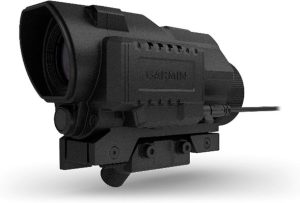

Initial setup requires configuration and calibration for your arrow combination. A remote range button supports convenient operation, while compatible Garmin features add options for users already invested in that ecosystem.
Listed weight is approximately 1.9 pounds. Ravin Crossbows has offered integrated packages with model-specific setup information.
Pros
- Integrated laser rangefinder.
- Calculated illuminated aiming point.
- Configuration for your arrow setup.
- Remote range button.
- Features for compatible Garmin devices.
Cons
- Premium price.
- Approximately 1.9-pound listed weight.
- More involved setup than a conventional scope.
- Battery dependence.
- Less benefit when all shooting lanes are pre-ranged.
Field Note: Integrated ranging is most useful when distances vary between opportunities. A hunter watching one known-distance trail gains less than someone covering several lanes. Calibration remains essential in either situation.
Compact Durability Pick
Trijicon 3×24 XB Compact ACOG
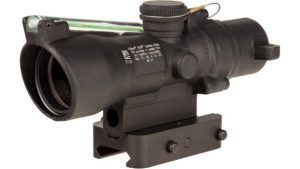

The crossbow reticle provides multiple trajectory references. Listed weight is approximately 8 ounces, and the optic uses a Picatinny mounting arrangement. Check trajectory compatibility with your hunting-arrow setup.
Pros
- Rugged construction.
- Approximately 8-ounce listed weight.
- Battery-free reticle illumination.
- Compact profile.
- Crossbow-specific references.
Cons
- Premium price.
- Fixed 3x magnification.
- No integrated rangefinder.
- Less magnification flexibility than variable-power scopes.
Field Note: Its compact profile is the practical attraction. Hunters who walk extensively or maneuver through thick cover may appreciate keeping the top of the crossbow relatively light.
Turkey Hunting Pick
Hawke XB30 2–7×32

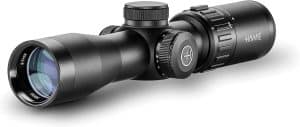
The Hawke XB30 2–7×32 SR uses a speed-adjustable crossbow reticle for approximately 280–440 FPS and illuminated aiming references.
Its 30mm monotube, fully multi-coated lenses, and approximately 14.4-ounce listed weight make it a conventional hunting option. Lens covers and instructions are included, with Hawke warranty coverage.
Pros
- Calibration for approximately 280–440 FPS.
- 2–7x magnification range.
- Illuminated aiming references.
- Fully multi-coated lenses.
- 30mm monotube construction.
Cons
- Speed range does not suit every fast crossbow.
- Calibration needs verification at known distances.
- Higher magnification is unnecessary for many close turkey encounters.
- No integrated rangefinder.
Field Note: For turkey hunting, practice from the seated position you will use in the blind. Follow the speed-calibration procedure before changing the power setting. The optic can remain useful for other hunting after spring season.
Additional Optics to Consider
These options address more specific priorities, including thermal hunting, high-speed compatibility, fixed-power simplicity, and budget dot sights.
Dedicated Thermal Setup
ATN ThOR 4 1.25–5×
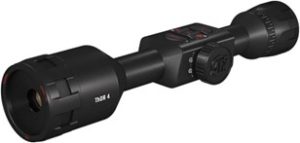

The listed configuration uses 30mm rings and weighs approximately 1.9 pounds, with advertised battery life up to 18 hours. Confirm the exact model and crossbow suitability before purchasing.
Pros
- Thermal viewing in darkness.
- Video recording.
- Wi-Fi connectivity.
- Electronic features and long advertised battery life.
Cons
- Weight and bulk compared with conventional optics.
- Menus and settings require practice.
- Do not assume firearm ballistic functions model arrows correctly.
- Use restrictions vary by location, species, and season.
Field Note: Treat this as a dedicated thermal hunting system. Learn the controls and verify zero during daylight before taking it into darkness. Confirm mounting and zeroing compatibility with your crossbow.
High-Speed Option
Ravin R160 550 FPS Crossbow Scope
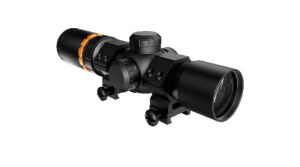

Its Speed Lock feature supports maintaining the selected calibration. Suitability for other crossbow brands depends on mounting, arrow speed, and verified trajectory compatibility.
Pros
- Designed for fast crossbows.
- 1–8x magnification range.
- Red or green illumination.
- Multiple references and Speed Lock feature.
Cons
- May be more than a slower crossbow requires.
- High magnification narrows the view.
- Check compatibility with other brands.
- References require verification with your actual arrows.
Field Note: High-speed compatibility is the main attraction. Even after selecting the speed setting, shoot at known distances to establish the actual hold for each reference.
Low-Power Hunting Option
Hawke XB30 Pro SR
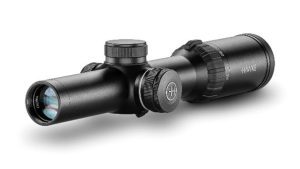
The listed model provides speed calibration for approximately 215–450 FPS. Confirm the exact version and mounting requirements on the current listing.
Pros
- Crossbow-specific SR reticle.
- Broad listed calibration range.
- 1–5x magnification.
- Adjustable illumination and Hawke warranty coverage.
Cons
- Lower maximum magnification than some alternatives.
- No integrated rangefinder.
- Calibration requires range verification.
- More reticle information than a simple duplex design.
Field Note: Lower magnification can be practical in close cover, but the useful setting must also produce verified trajectory references. Follow the calibration instructions before changing power.
Fixed-Power Budget Option
UTG 4×32 Crossbow Scope
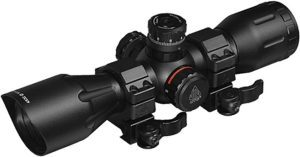

Check whether the listed weight includes rings and accessories before comparing it with other optics.
Pros
- Affordable fixed-power format.
- Simple 4x magnification.
- Dual illumination and brightness settings.
- Listed package includes caps and mounting hardware.
Cons
- No zoom adjustment.
- No integrated ranging.
- Reticle fit requires trajectory verification.
- Mounted weight and ring height can affect handling.
Field Note: Compare complete mounted weight and ring height with your current optic. Those details affect carrying comfort and how naturally your eye lines up behind the scope.
Illuminated Reticle Option
Excalibur Overwatch
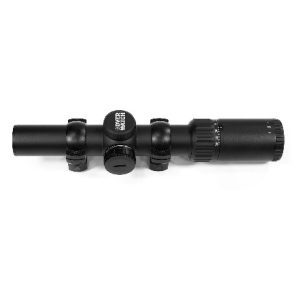
The compact format includes flip-up lens caps. Illumination helps distinguish the reticle against a dark background; it does not brighten the target.
Pros
- 2–5x magnification.
- Calibration for approximately 300–475 FPS.
- Red and green illumination.
- Multiple references and compact hunting format.
Cons
- No integrated rangefinder.
- Calibration needs range verification.
- Not suitable for every arrow-speed combination.
- Lower maximum magnification than some alternatives.
Field Note: Use only enough illumination to see the aiming reference. Excessive brightness can distract from the target image, particularly as available light fades.
Budget Dot Sight
Barska Red Dot Illuminated Crossbow Optic

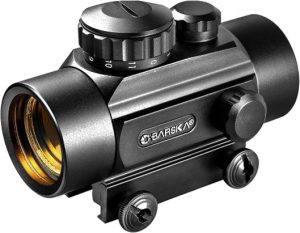
Barska’s crossbow dot optic uses three illuminated dots, with red or green settings and adjustable brightness. The unmagnified sight picture supports both-eyes-open aiming.The listed model uses Picatinny mounting and weighs approximately 4.8 ounces. Establish the actual distance represented by each dot using your own arrows.
Pros
- Budget-oriented price.
- Approximately 4.8-ounce listed weight.
- Three aiming references.
- Red and green illumination.
- Both-eyes-open aiming.
Cons
- No magnification.
- Less target detail at distance.
- Dot spacing needs trajectory verification.
- Basic feature set.
Field Note: This fits a close-range setup where simplicity and low weight matter. Do not assume the dots automatically represent 20, 30, and 40 yards; confirm their actual distances at the range.
How to Choose the Best Crossbow Scope
1. Match Your Actual Hunting-Arrow Speed
Advertised crossbow speeds may use a different arrow weight. Select a speed-calibrated optic using your actual hunting setup, then verify every reference at known distances.
2. Understand Magnification and Calibration
Lower magnification generally provides a wider view. Higher magnification gives a closer view of the target. On many crossbow scopes, the power or speed setting also calibrates the reticle. Follow the manual before changing it after sight-in.
3. Decide How You Will Determine Distance
A conventional scope can work well with a handheld rangefinder or pre-ranged lanes. An integrated rangefinder measures distance through the optic. Only some systems also calculate the aiming point.
4. Evaluate the Complete Low-Light Image
Reticle illumination helps you see the aiming reference, not the animal. Lens quality, coatings, magnification, and available light all affect the usable image. Avoid choosing solely by objective diameter or illumination color.
5. Check Mounting and Eye Relief
Confirm tube diameter, ring height, rail compatibility, and eye relief. Your normal shooting position should provide a full sight picture without awkward head movement. Included rings may not suit every crossbow.
6. Compare Complete Mounted Weight
Include rings, mounts, batteries, and accessories when comparing weight. A heavier electronic optic may be manageable from a supported position but less comfortable during a long walk.
7. Buy Features You Will Use
A conventional illuminated scope covers many hunting needs. Integrated ranging is most useful when distances vary. Thermal serves a specialized purpose. Spend on features that solve a practical problem in your setup.
8. Review Warranty and Support
Compare coverage, replacement procedures, and access to instructions. Check whether warranty terms differ for electronics, illumination, or accessories.
Before hunting: Verify zero and every aiming reference with your hunting arrows. Practice from realistic positions, check batteries where applicable, and confirm local rules for electronic and thermal sights. Reticle distance marks do not establish an ethical hunting range.
Choose the Scope Around the Way You Hunt
For a conventional setup, start by comparing options such as the Vortex Crossfire II, Hawke XB30, and Excalibur Overwatch. For integrated ranging and calculated aiming, compare the Burris Oracle X and Garmin Xero X1i. Reflex and thermal sights address more specialized needs.
The right mounting, verified calibration, and realistic practice matter more than a long feature list.