

Your survival knife isn’t a one-size-fits-all tool. The blade that saves your life in a collapsed urban environment will fail you in the backcountry, and vice versa. The difference isn’t philosophical—it’s mechanical, material, and mission-specific. Understanding which custom knife matches your actual preparedness scenario determines whether your primary tool becomes an asset or a liability when systems fail.
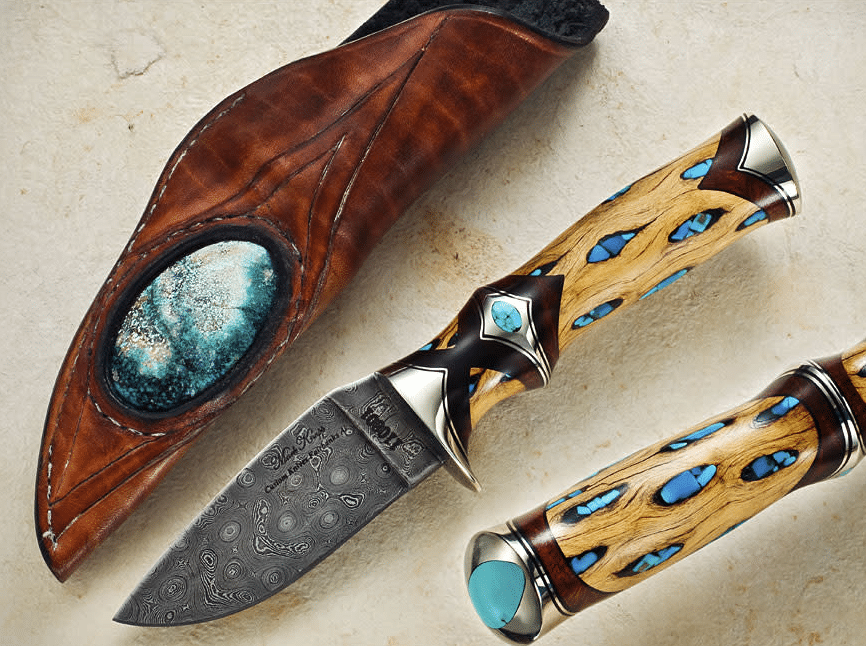
Whether you’re navigating concrete jungles or remote backcountry, the foundation of any preparedness plan rests on blade reliability and ergonomic design under stress. Serious survivalists increasingly turn to M390 and Damascus steel constructions with Micarta or carbon fiber handles—materials that deliver consistent performance across temperature extremes and prolonged use. This is where premium custom knives by Noblie distinguish themselves through precision locking mechanisms and bespoke artistry that transforms EDC functionality into a tailored survival tool. The handcrafted approach ensures each knife addresses specific environmental demands rather than forcing you to adapt to mass-produced compromises.
What Makes Urban and Wilderness Survival Knives Fundamentally Different?
Urban and wilderness survival knives are engineered for opposite material interactions and task profiles.
- Urban blades prioritize prying, breaching, and cutting synthetic materials like seatbelts, rope, and packaging under contaminated conditions.
- Wilderness knives focus on processing organic materials—wood, bone, hide—and performing precision tasks like feather-stick carving and game processing.
The steel chemistry, blade geometry, and handle ergonomics diverge completely based on these core mission parameters.
The Material Science Behind Environment-Specific Blades
Urban environments demand corrosion-resistant steels because you’re working around chemicals, saltwater from fire suppression systems, and biological contaminants. Stainless steels like CPM-S35VN or LC200N maintain edge integrity despite exposure to acids and moisture. These alloys sacrifice some edge retention compared to high-carbon options, but they won’t rust into uselessness after cutting through a flooded basement or prying open a corroded door.
Wilderness blades use high-carbon steels like 1095 or O1 because they’re easier to sharpen in field conditions with a basic stone. You’re processing clean wood and game, not cutting through fiberglass insulation or PVC pipe. The trade-off is clear: high-carbon steel holds a superior edge for organic materials but requires immediate maintenance after exposure to blood or moisture.
Note on Hardness: Urban blades run 58-60 HRC—hard enough to maintain sharpness but soft enough to absorb impact from prying without chipping. Wilderness blades push 60-62 HRC for superior edge retention during repetitive wood processing.
Blade Geometry: Why Shape Determines Survival Capability
Urban survival knives feature reinforced tips and thicker blade stock—typically 4-5mm spine thickness. You’re punching through car windows, prying open doors, and potentially breaching drywall. The blade profile runs straighter with less belly, optimizing for controlled penetration and prying leverage.
Wilderness knives use 3-4mm spine thickness with a pronounced belly in the blade profile. This geometry excels at the rocking cuts needed for skinning game and the slicing motion required for processing kindling. Noblie Custom Knives engineers this distinction into every build—their urban models feature reinforced tangs, while wilderness designs prioritize control during extended carving sessions.
The grind angle reveals the knife’s true purpose:
- Urban blades: 25-30 degree inclusive edge angle (durable against concrete/rebar).
- Wilderness blades: 20-22 degrees (superior slicing through hide and wood).
How Blade Length and Handle Design Impact Real-World Performance
Blade length isn’t about preference—it’s about physics and legal constraints.
- Urban survival knives (4-5 inches): Longer blades become illegal in many municipalities and lose maneuverability in confined spaces like crushed car interiors.
- Wilderness knives (4.5-6 inches): You need reach for processing larger game and leverage for batoning firewood. Below 4.5 inches, you lose leverage; above 6 inches, the knife becomes unwieldy for precision tasks like trap construction.
Handle Design
- Urban handles: Use aggressive texturing and synthetic materials like G10 or Micarta to maintain grip when contaminated with oil, blood, or chemicals. They include a pronounced guard to prevent the hand from sliding during high-force prying.
- Wilderness handles: Prioritize extended-use ergonomics. Natural materials like stabilized wood or contoured Micarta reduce hot spots. Guards are minimal or absent to allow “choking up” on the blade for precision work.
Comparing Urban and Wilderness Knife Specifications
| Specification | Urban Survival Knife | Wilderness Survival Knife | Reason for Difference |
| Blade Length | 4-5 inches | 4.5-6 inches | Urban: Legal limits/confined space. Wilderness: Leverage for wood/game. |
| Steel Type | Stainless (S35VN, LC200N) | High-carbon (1095, O1) | Urban: Corrosion resistance. Wilderness: Field sharpenability. |
| Spine Thickness | 4-5mm | 3-4mm | Urban: Prying strength. Wilderness: Reduced friction/penetration. |
| Edge Angle | 25-30 degrees | 20-22 degrees | Urban: Durability. Wilderness: Slicing efficiency. |
| Handle Material | G10, aggressive Micarta | Contoured wood, smooth Micarta | Urban: Grip when contaminated. Wilderness: Comfort/reduced hot spots. |
| Tang Construction | Full tang + steel bolsters | Full tang, minimal bolster | Urban: Lateral stress resistance. Wilderness: Weight/versatility. |
The Evolution of Survival Knife Design
Forty years ago, preppers carried military surplus like the KA-BAR. These were designed for combat first, utility second. They featured leather handles that rotted and steel that rusted.
In the 1980s, hollow-handle knives became a trend. However, they failed catastrophically: the hollow handle created a structural weak point that snapped during batoning, and the “waterproof” seals often failed.

Modern custom makers like Noblie have abandoned the “one-knife-for-everything” philosophy. They recognize that urban and wilderness survival involve completely different material science requirements.
“I see preppers choose S30V steel for wilderness knives because it’s ‘premium,’ then they can’t sharpen it after a week in the backcountry. If you can’t restore your edge with a river stone, you don’t have a survival knife—you have an expensive club.”
Three Critical Mistakes That Compromise Performance
1. Choosing Blade Length Based on Intimidation Factor
Many choose 7-8 inch blades because they “look” capable. In reality, in an urban environment, this makes the tool a legal liability and impossible to use in tight spaces. In the wilderness, the extra weight adds fatigue without improving performance for the 90% of tasks that require detail.
2. Selecting Exotic Steel for Bragging Rights
Steels like S110V or M390 are industrial marvels but are nearly impossible to sharpen in the field. In a two-week survival scenario, a simple 1095 carbon steel blade you can maintain with a river stone is vastly superior to a $600 super-steel blade that has become dull.
3. Ignoring Handle Ergonomics for Aesthetic Appeal
Aggressive tactical textures or skeletal handles look great in photos but cause blisters and hand injuries during 4-6 hours of daily use. Poor ergonomics can reduce your work capacity by 40%.
Technical Deep Dive: Heat Treatment
The heat treatment determines the steel’s actual performance:
- Quenching: Oil quenching (tougher, for urban prying) vs. Water quenching (harder, for wilderness slicing).
- Tempering: Urban blades receive higher tempering for impact resistance; wilderness blades get lower tempering for edge retention.
- Cryogenic Treatment: Freezing the blade to -300°F increases wear resistance by 15-20%. This is a hallmark of high-end custom knives like Noblie.
How to Specify Your Custom Knife
- Document Threat Scenarios: Coastal (need stainless) vs. Inland (need toughness).
- Climate/Vegetation: Softwood boreal forests vs. dense hardwood forests.
- Order of Tasks: If “prying/breaching” is top 5, go Urban. If “fire/shelter” is top 5, go Wilderness.
- Sharpening Capability: Be honest about your skills and tools.
Conclusion: Urban, Wilderness, or Both?
If your plan includes both urban evacuation and wilderness bug-out locations, you need two knives. Carry the urban knife as your EDC (Everyday Carry) and keep the wilderness knife in your bug-out bag.
Your survival knife isn’t about brand names; it’s about matching the tool to your specific environment. A properly selected custom knife becomes an extension of your capability rather than just another piece of gear.