
Hunting is not only about patience and skill. Having the right equipment can make your time outdoors more comfortable and productive. One of the most useful pieces of gear for many hunters is a hunting blind. A good blind can help you stay hidden, protect you from changing weather, and give you a comfortable place to wait while watching the surrounding area.
With so many options available today, choosing the right hunting blind can feel confusing. The key is to think about where you hunt, how often you go, and what features are most important to you.
Why a Hunting Blind Matters
A hunting blind provides a concealed space where you can wait without being as easily noticed by nearby wildlife. Movement, noise, and even small changes in the surroundings can alert animals, so having a proper blind can make the waiting process easier.
A blind can also make long hunting sessions more comfortable. Instead of sitting completely exposed to wind, rain, or cold temperatures, you have a sheltered space where you can stay focused. For hunters who spend several hours outdoors, that extra comfort can make a big difference.
Understanding Different Types of Hunting Blinds
Hunting blinds come in many shapes and sizes. Some are designed to be lightweight and portable, while others are made for longer-term use. Ground blinds are popular because they can usually be set up in different locations and are relatively easy to move.
When choosing a blind, consider its size and weight. A lightweight model may be better if you regularly walk long distances to reach your hunting area. If you hunt from the same location often, a larger and sturdier blind may provide greater comfort.
Another important factor is visibility. Good viewing windows allow you to observe your surroundings while remaining concealed. Window placement should also make it easy to use your equipment without creating unnecessary movement.
The Benefits of a 360 Ground Blind
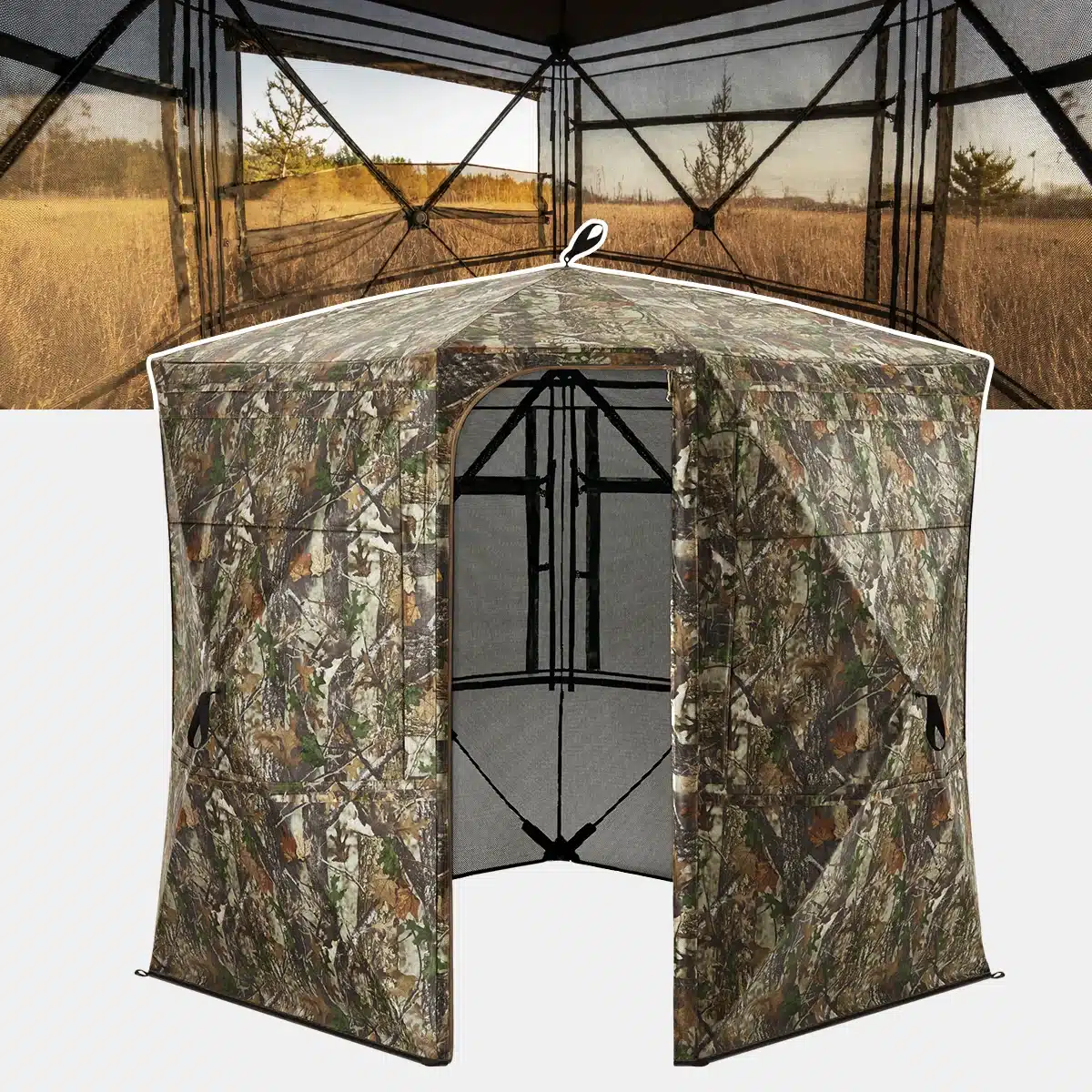
For hunters who want a broad field of view, a 360 ground blind can be an interesting option. Its design is intended to provide visibility around much of the surrounding area, allowing hunters to keep track of movement from different directions.
A wider view can be especially useful when hunting in open areas where animals may approach from more than one direction. Instead of constantly adjusting your position to see what is happening behind or beside you, a blind with wider viewing coverage can make observation more convenient.
Comfort is another consideration. Look for a design with enough interior space for your equipment and seating. A blind that feels cramped can become uncomfortable during long waits, while a well-designed interior can help you stay relaxed and patient.
What to Look for Before Buying
Before purchasing a hunting blind, take a few minutes to consider the conditions where you normally hunt. Weather should be one of the first things to think about. If you frequently hunt in wet or windy conditions, look for materials designed to provide suitable protection.
Camouflage is also important. The blind should fit naturally into its surroundings rather than standing out. Some hunters prefer traditional camouflage patterns, while others choose colors that match the vegetation and terrain in their hunting area.
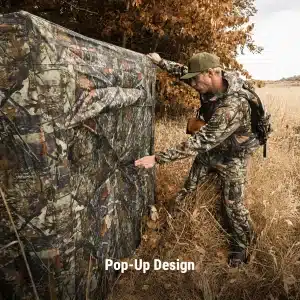
Setup time is another practical consideration. If you need to assemble the blind every time you hunt, a simple setup can save valuable time and effort. Portability, durability, window design, and ventilation are also worth checking before making a purchase.
Finding a Hunting Blind on Sale
Buying quality hunting equipment does not always mean paying the highest possible price. Shoppers can often find a hunting blind on sale during seasonal promotions, clearance events, or end-of-season discounts.
However, price should not be the only factor. A cheap blind may not provide the durability or features you need. Instead, compare the materials, size, construction, and included features. A slightly more expensive blind that lasts for several seasons may offer better long-term value than a cheaper model that needs to be replaced quickly.
It is also helpful to read product specifications carefully. Check the dimensions, weight, setup method, and weather resistance before placing an order. This simple step can prevent surprises when the blind arrives.
Making Your Hunting Experience More Comfortable
Once you choose a blind, think about how you will use it. A comfortable seat can make long periods of waiting easier. You may also want enough space for essential equipment without making the interior crowded.
Keep movement to a minimum when wildlife is nearby. Organizing your equipment before settling into the blind can help you avoid unnecessary movement later. It is also important to choose a location carefully and follow all local hunting rules and regulations.
A hunting blind should support your outdoor experience, not make it more complicated. The right combination of comfort, concealment, visibility, and portability can help you spend more time focused on the hunt.
Conclusion
Choosing a hunting blind is ultimately about finding equipment that fits your personal needs and hunting environment. Think about the terrain, weather, portability, visibility, and comfort before making your decision.
Whether you are considering a 360 ground blind for a wider view or looking for a hunting blind on sale to stay within your budget, taking time to compare your options can help you make a practical choice. A well-chosen blind can provide shelter, improve comfort, and give you a dependable place to enjoy your time outdoors.
Per our affiliate disclosure, we may earn revenue from the products available on this page. To learn more about how we test gear, click here.